Category: 60s Press
-
“The Mind of Goya” highlights London’s evolving nightlife, showcasing The Eve nightclub as a hub of imaginative cabaret that rivals Paris. Promoting artistic displays of nudity, the club combines elaborate staging with culinary delights, offering an escapist experience. Its an…
-
Rick Sanders reviews various LPs and singles in February 1968, highlighting notable works such as The Herd’s inventive “Paradise Lost”, the joyous “Don’t Stop The Carnival” by Alan Price Set, and the emotive “Once I Was” by Tim Buckley. He…
-
In January 1968, Rick Sanders reviewed various music discs, highlighting artists like The Spencer Davis Group and The Who, praising their originality. He noted the mixed reception for many singles, emphasising repetitive styles in Motown and the disappointing output from…
-
Rick Sanders reviews various music singles and albums from December 1967, highlighting standout tracks and offering critiques. He praises The Beatles’ “I Am The Walrus,” considers The Buffalo Springfield exceptional, and notes a decline in quality for Diana Ross and…
-
In November 1967, Rick Sanders reviews various singles, highlighting standout tracks like Ramsey Lewis’ funky rendition of “Dancing in the Streets” and The Bachelors’ surprising “Three O’Clock Flamingo Street.” He expresses disappointment in releases from The Tremeloes and Cilla Black,…
-
Rick Sanders reviews various music singles from September to October 1967 in Intro magazine. He praises songs like “Homburg” by Procol Harum and “I Can See for Miles” by The Who, while criticising tracks from Georgie Fame and Davy Jones.…
-
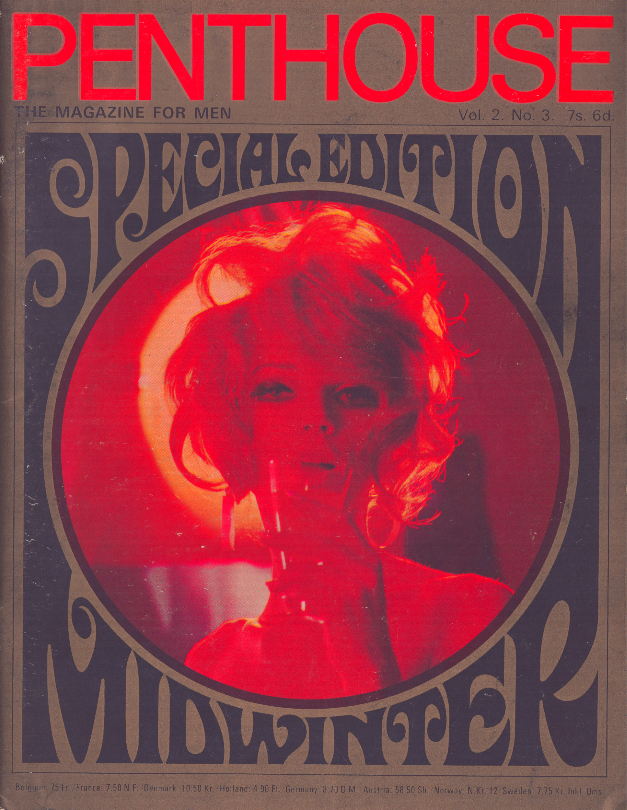
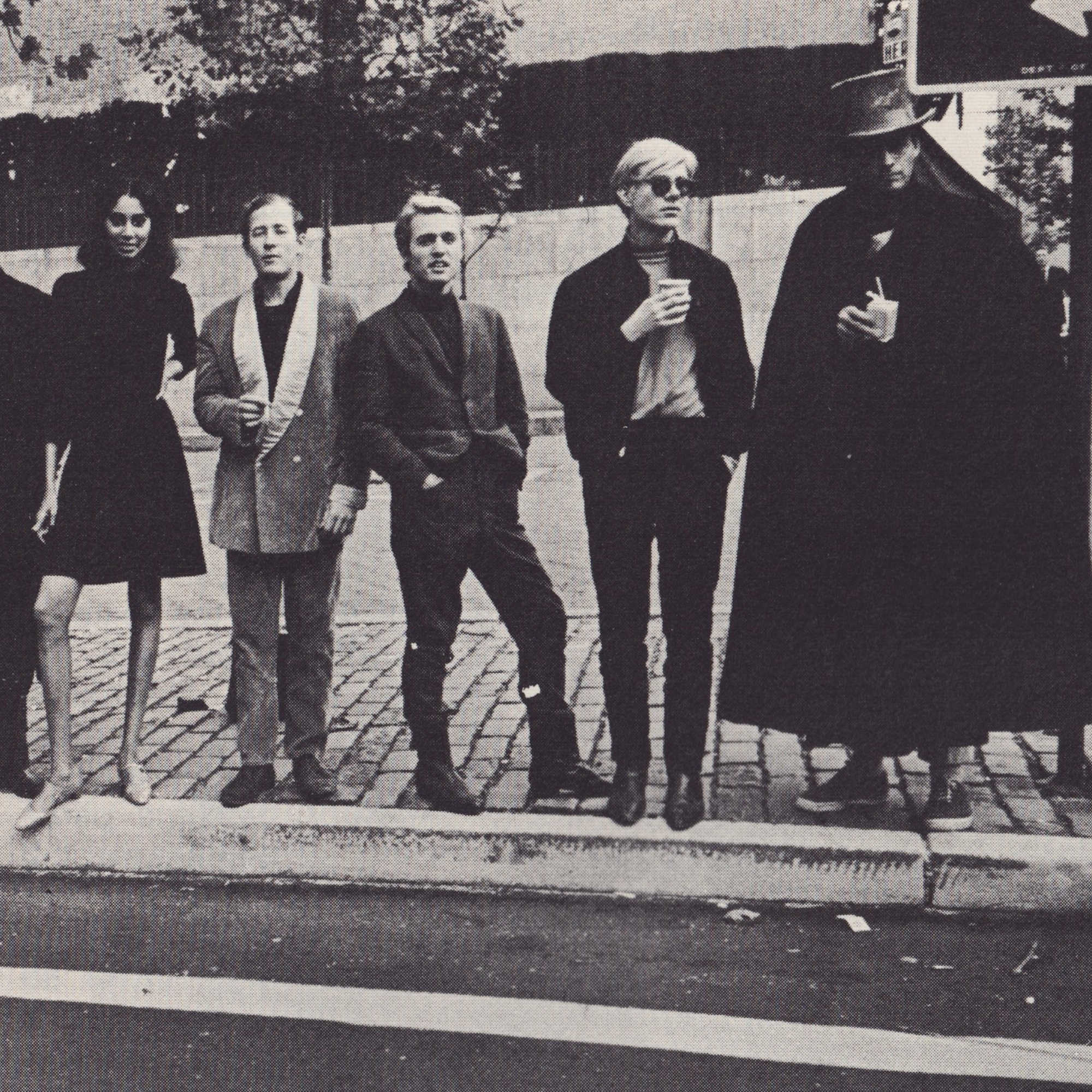
The article from Penthouse magazine explores Andy Warhol’s enigmatic persona and creative milieu at The Factory. It showcases his unpredictable antics, current artistic ventures in film, and his interactions with a colourful array of characters. The piece captures Warhol’s blend…
-
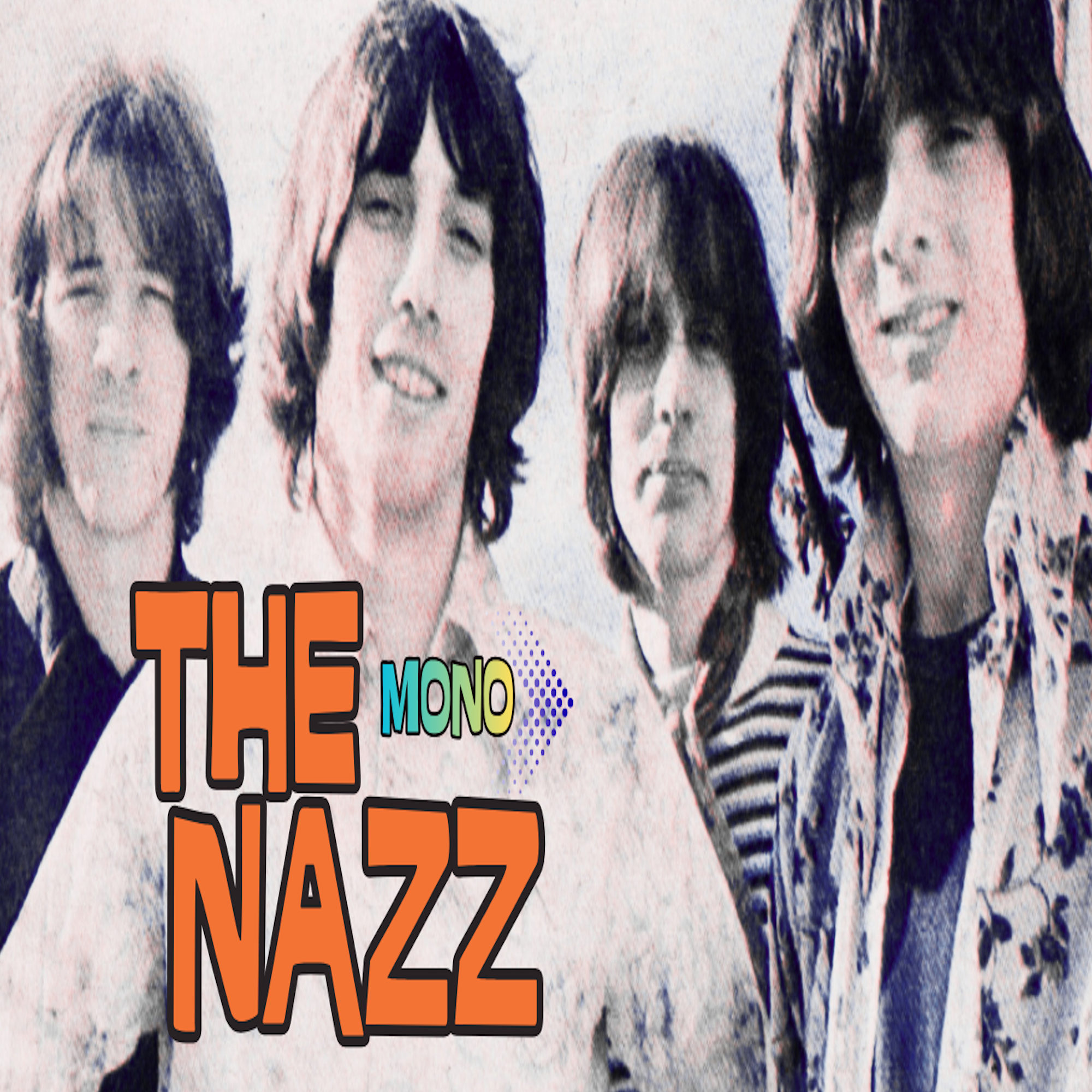
In 1968, the American band Nazz visited Britain to promote their new single “Open My Eyes” and record. They preferred British studios for their innovative techniques and younger producers. However, they faced a setback when the Musicians’ Union halted their…
-
U.F.O., the iconic London club symbolising the Flower Power movement, has closed following a rapid rise and fall. It served as a creative hub for innovative music and culture but eventually succumbed to police pressure and commercialisation. Despite its closure,…

-
The Woburn Flower Festival features a vibrant gathering of Flower Children, photographed by Feri Lukacs in November 1967. Participants enjoyed music, colourful attire, and communal activities, resembling a summer picnic. Despite some commercial elements, the event was mostly peaceful and…

-
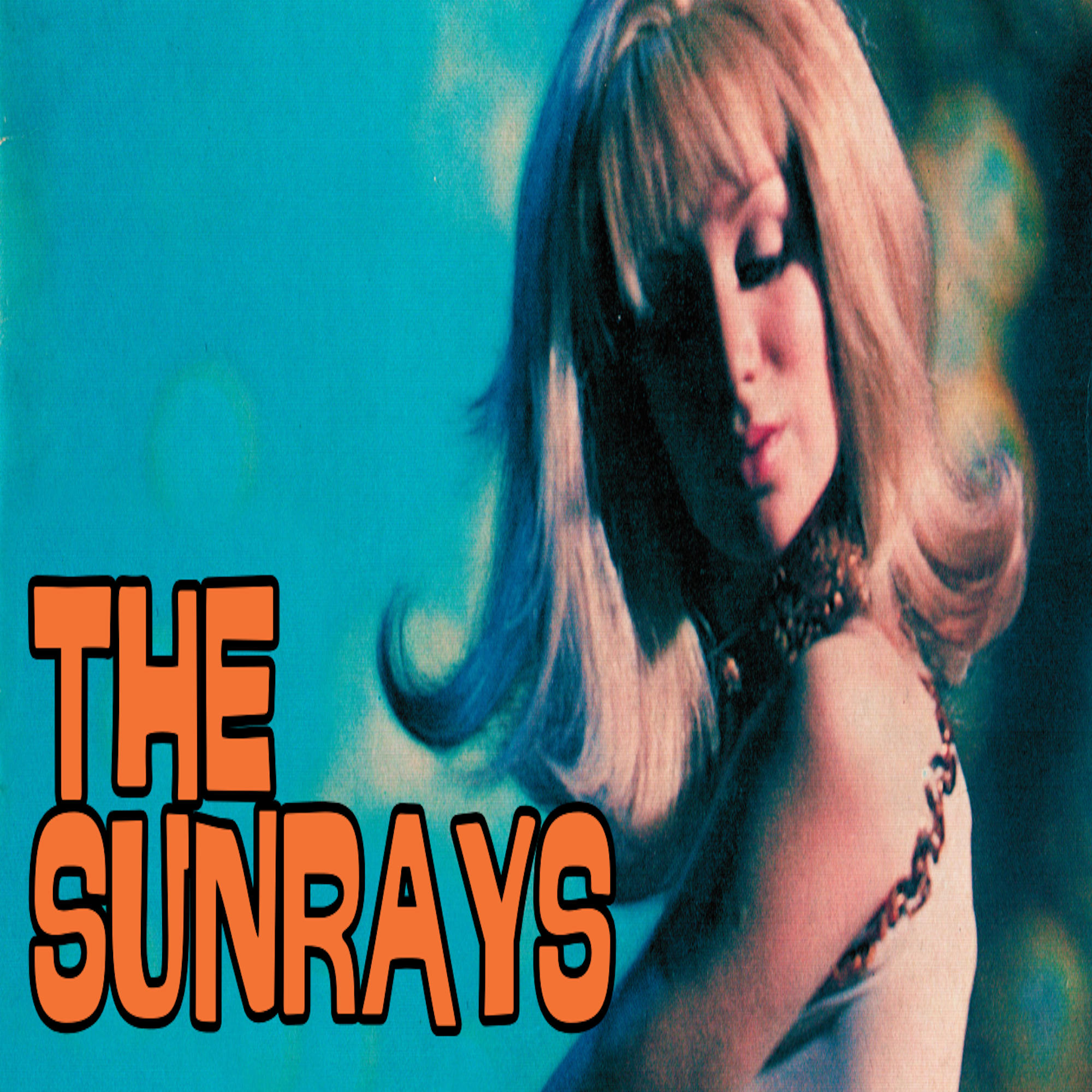
In June 1966, Tiger Beat featured the Sunrays, a Southern Californian band, initiating a nationwide search for a girl named Andrea who inspired their song “I Live For The Sun.” The group, committed to their education while pursuing music, cherishes…
-
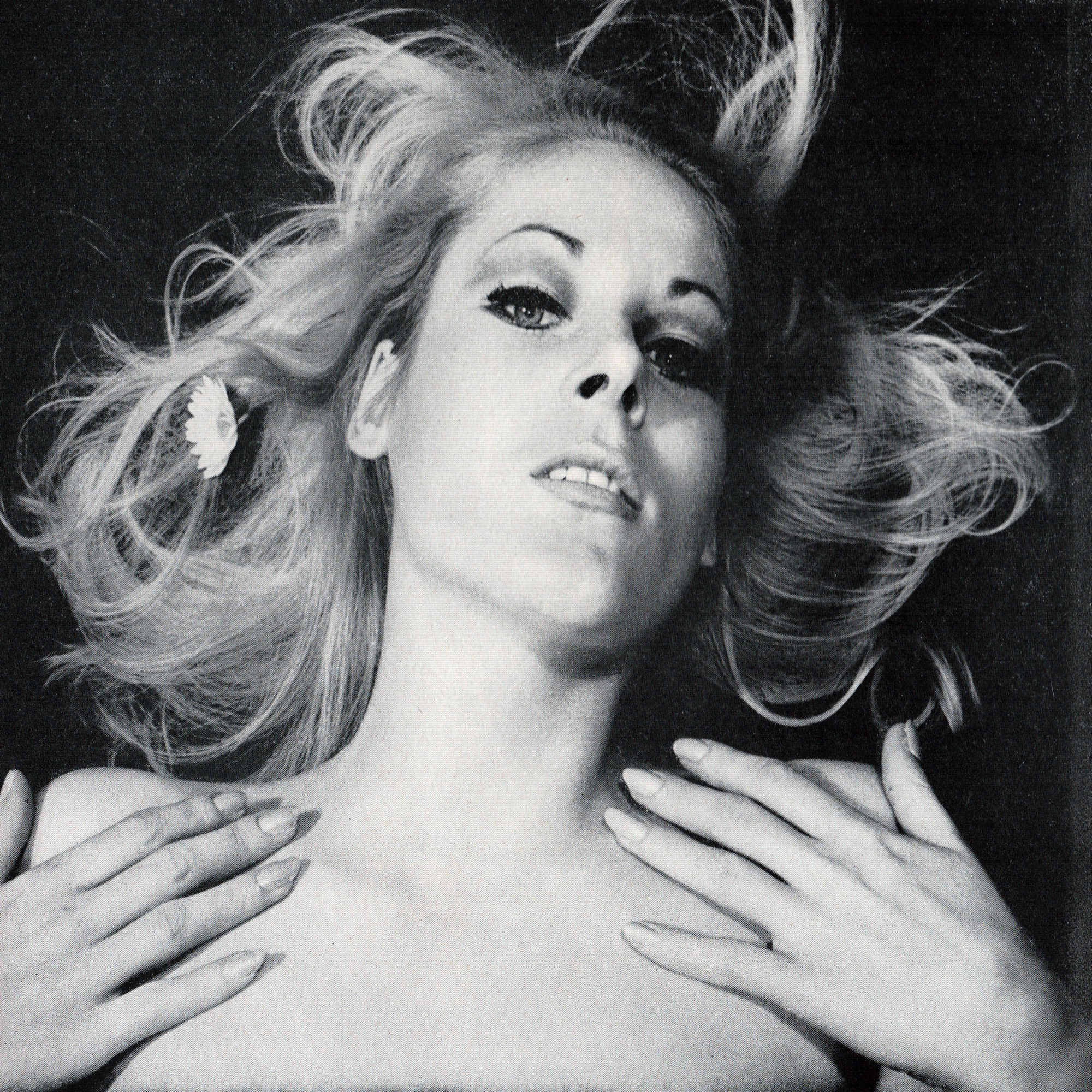
Frank Habicht, a photographer influenced by the London scene, discusses his approach to picture-making, emphasising a relaxed mindset to fully appreciate images. He highlights the importance of both technical skill and understanding natural charm in portrait photography. His work includes…
-
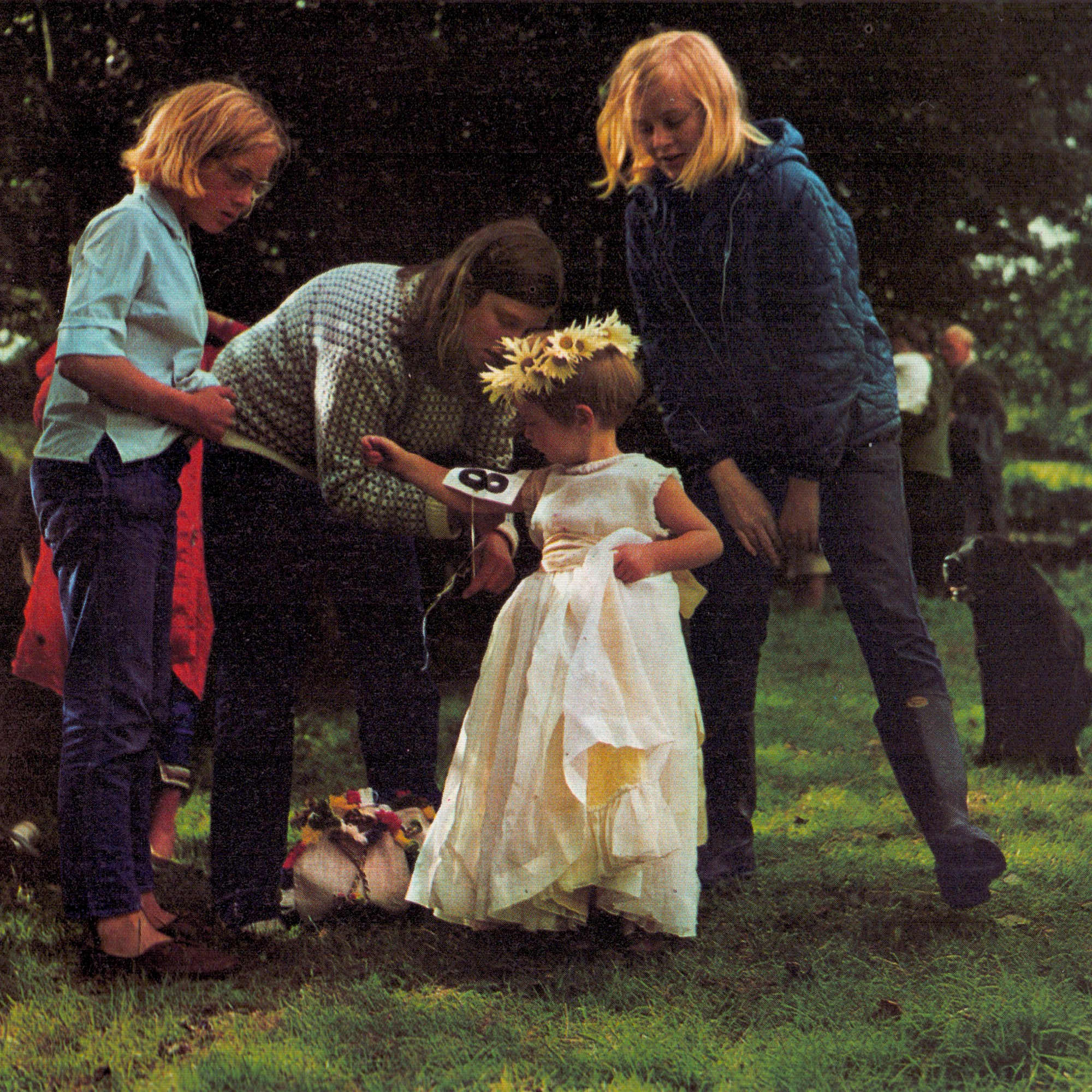
Widecombe Fair, an event in Dartmoor, attracts numerous photographers with its picturesque scenery and vibrant attractions, including an agricultural show and fairground delights. The fair showcases local livestock and features activities like a fancy dress parade. Modern cameras simplify photography,…
-
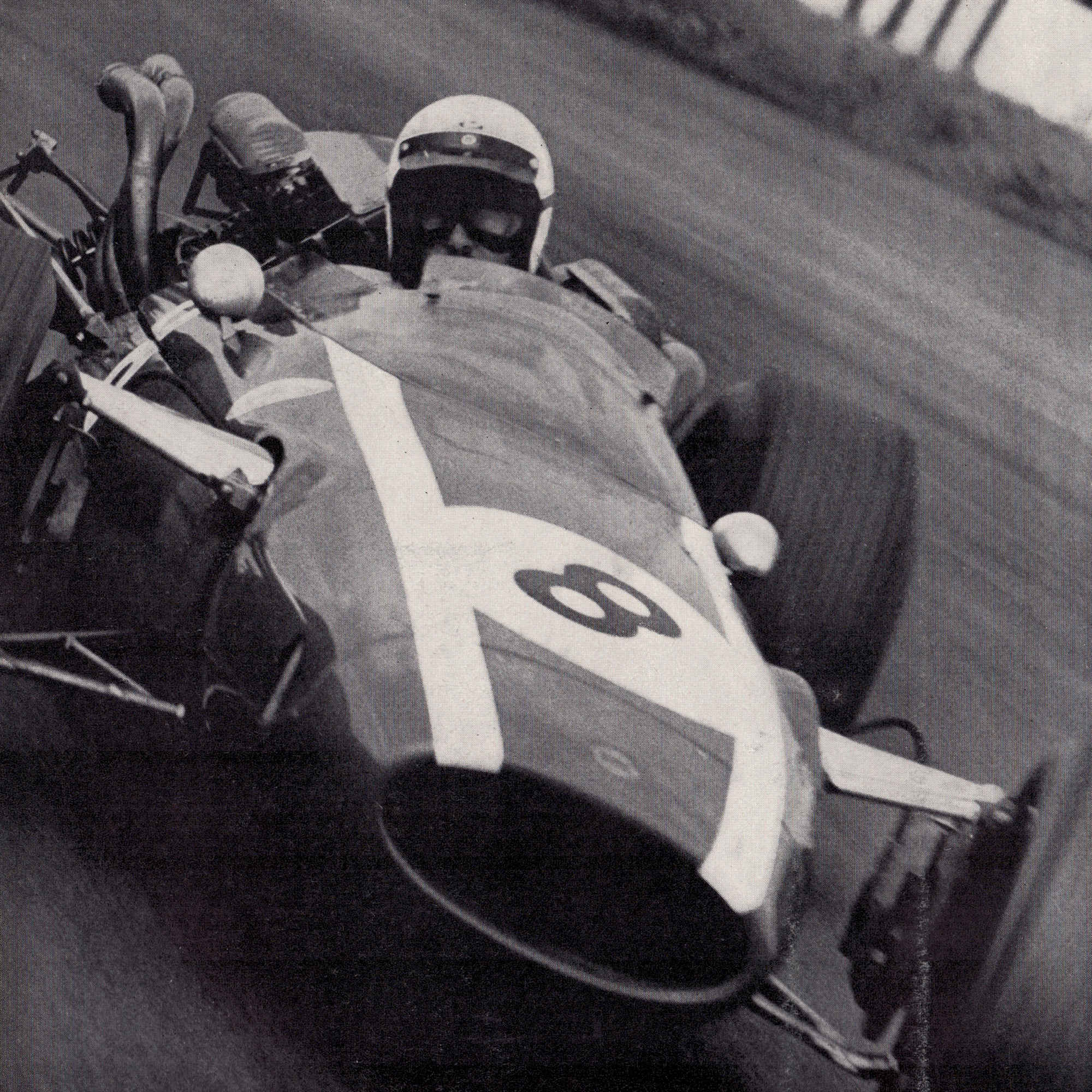
Maximilian Wren Le Grand, a 27-year-old photographer, transitioned from graphic design to motoring photography after early careers at various magazines. His work gained recognition, leading to contributions at international events. Le Grand engaged with Hollywood director John Frankenheimer during the…
-
FERI LUKACS explores photography’s simplicity during a summer visit to London’s Serpentine lido. By following a friend’s advice to wait for subjects, he captures vibrant sun-worshippers with his camera. His technique involves careful selection and adapting to the environment, resulting…

-
The Searchers’ November 1964 release features “What Have They Done To The Rain,” a melodious protest song by Malvina Reynolds, showcasing gentle rhythms and absorbing harmonies. The second track, “This Feeling Inside,” offers a bouncy medium-fast tempo with added organ.…

-
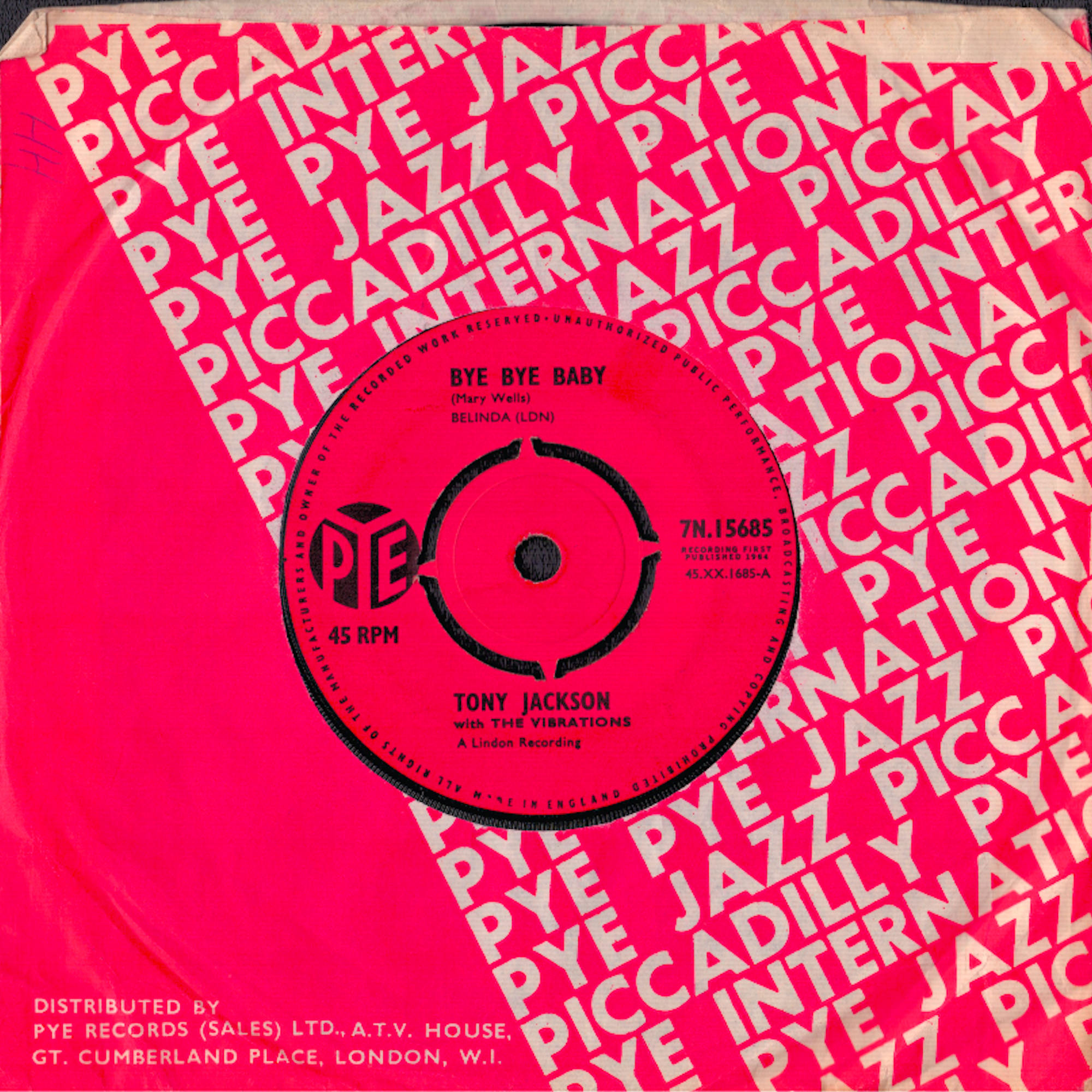
In September 1964, Tony Jackson debuted his new group, the Vibrations, with the single “Bye Bye Baby.” Initially recorded on short notice after The Searchers canceled, Jackson expresses optimism about the release despite mixed reviews on production. His newfound confidence,…
-
The Searchers released “When You Walk In The Room” and “I’ll Be Missing You” in September 1964, seeking another hit from Jackie De Shannon’s songwriting. While “When You Walk In The Room” is seen as promising, the band reflects on…

-
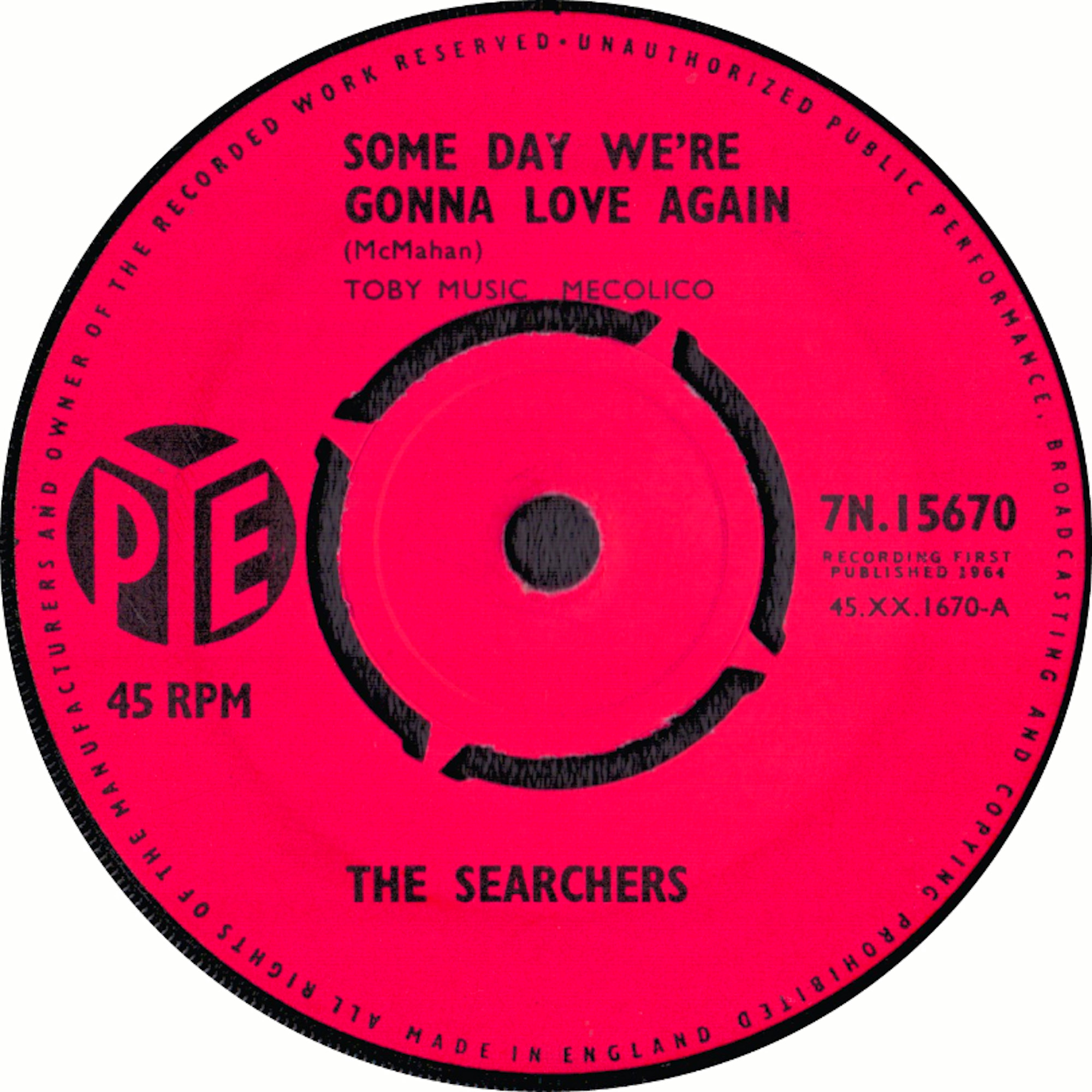
In July 1964, The Searchers shifted from recent successes to a lively sound with “Some Day We’re Gonna Love Again” and “No One Else Could Love You.” During this period, Tony Jackson announced his departure from the group due to…
-
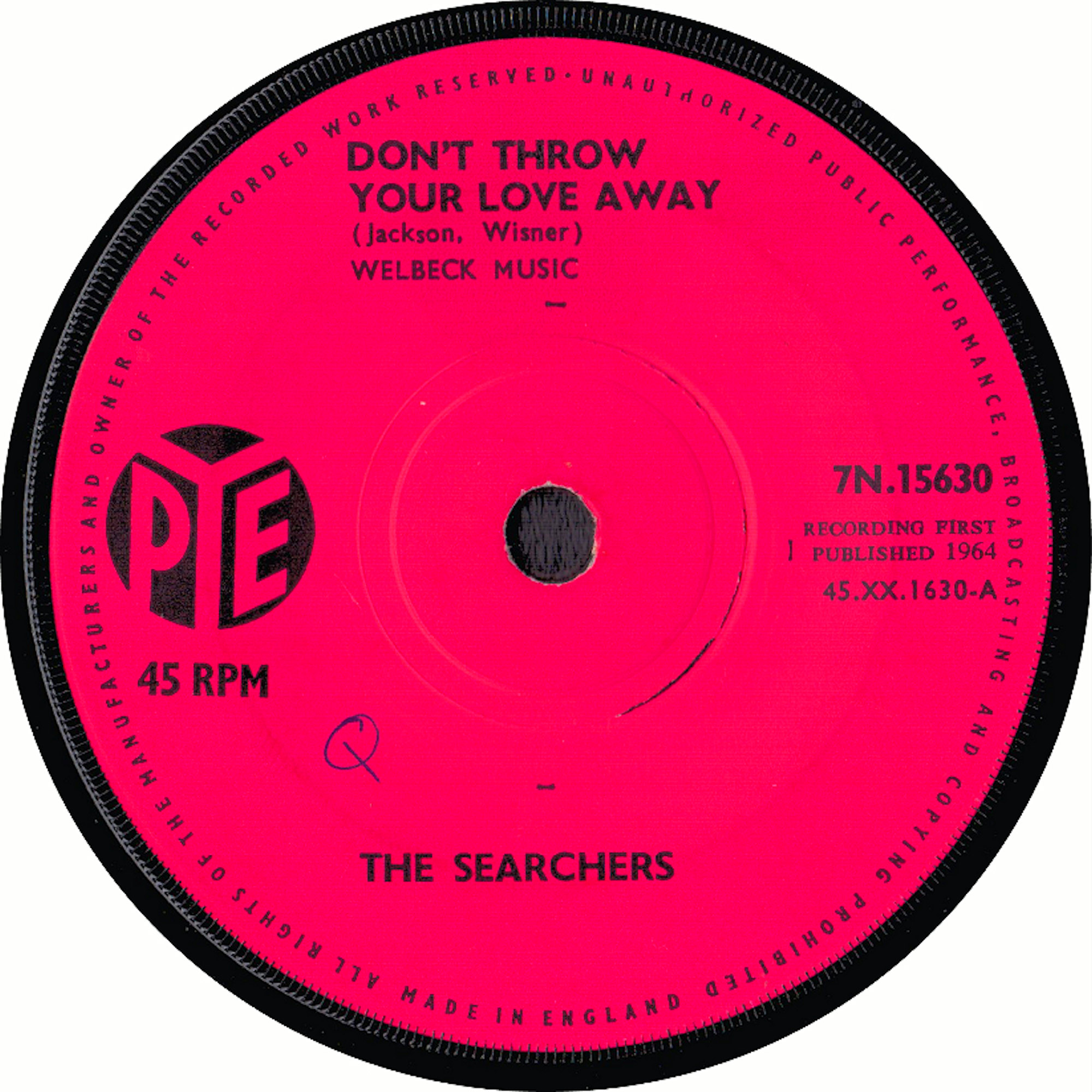
The Searchers’ single “Don’t Throw Your Love Away,” praised for its harmonious style, aims for top chart positions despite competition from The Beatles. With strong advance orders and performances in America, the band anticipates success. They plan to showcase versatility…
-
The Searchers achieve success with “Needles and Pins,” becoming Britain’s second most popular group. They are branching into films, with appearances in “Saturday Night Out” and a project that could enhance their individuality. The band emphasizes the importance of maintaining…