Frank Habicht’s techniques
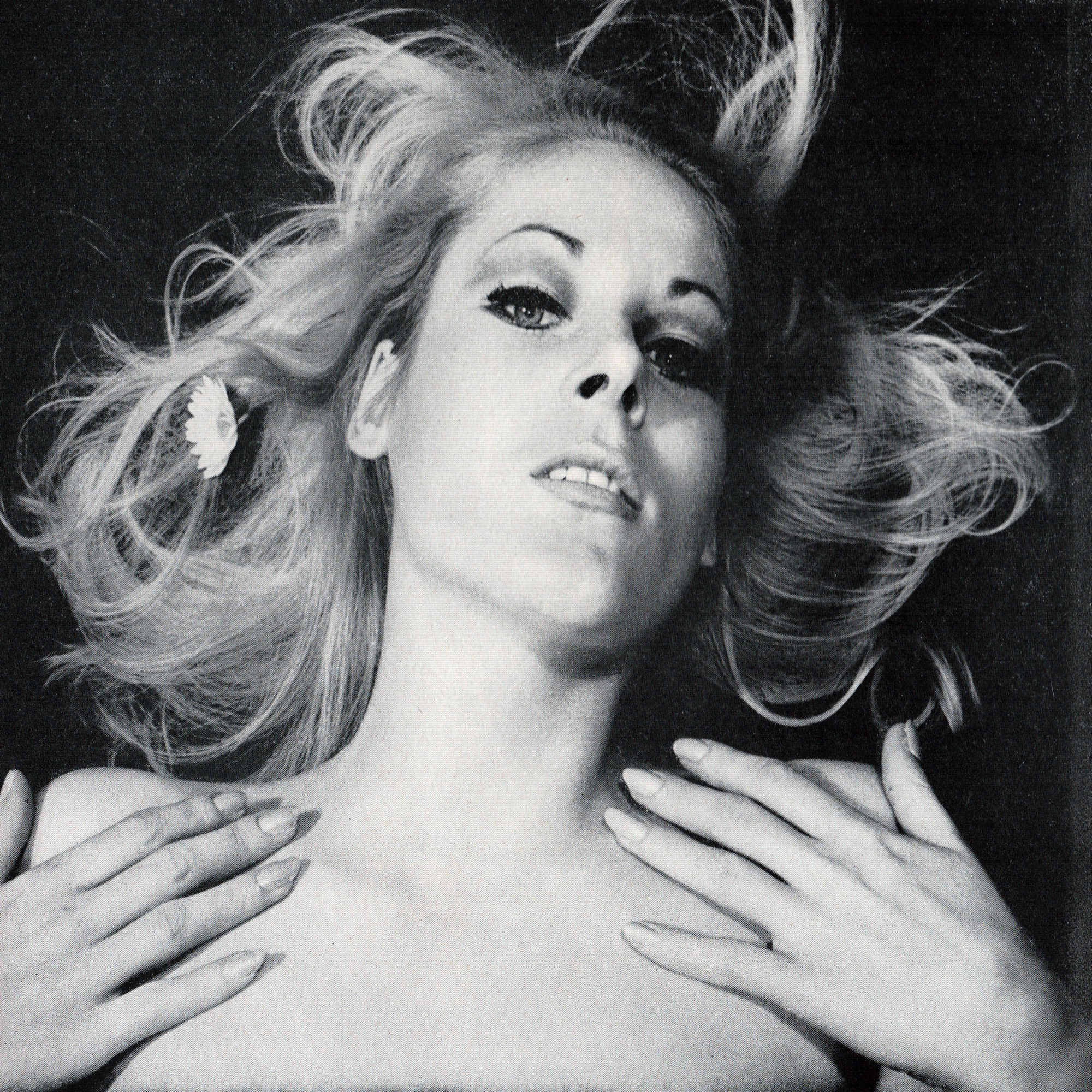
In which FRANK HABICHT, a young professional who has recently attracted press comment by his experiments in printing direct onto photo-sensitized dress fabric (a device we shall enlarge upon in a future issue) writes of his philosophy towards picture making and his career to date.
IF there is any secret to seeing a picture it’s simply to put yourself in a relaxed, unpreoccupied frame of mind. Forget about the train you have to catch, your job or your unpaid bills. Don’t think. Just look. Let yourself drift into a state of total awareness of the picture. Don’t try to put into words what you feel, for not everything in life must have a thoroughgoing explanation. Let the image strike a chord somewhere in your unconscious and set free whatever response flows naturally out of your visual contact with the image.


When you’re in a state of total awareness, the photograph has its best chance to reach you. In a still photograph you can enter a world of frozen time where nothing ever changes, and it was perhaps because of this that I took up photography four years ago while looking for the creative satisfaction that eluded me in the study of hotel-management. Early in 1962 I started a job in a London hotel and, stimulated by the London scene, began to keep a visual diary.
Publication in German and English newspapers and in photographic magazines, encouraged me to attend a school of photography for a year in Hamburg—mainly to improve on techniques—and a Rolleiflex and the new Leicaflex are now my indispensable companions. This picture essay relates to the opposite sex. Most of my models are not professional, for one needs—besides technical control—insight and understanding of natural charm in order to escape the common traps of sugar sweet whimsy or synthetic glamour.
Seeing Pictures | Photography | September 1967


Because people are chiefly interested in people, portraiture is one of the most popular of all photographic activities. Cameras all over the world are seeking out the faces of men, women and children; catching in them an infinite variety of expressions that lay bare the personality of the subject. In your looking you will naturally tend to favour the kind of pictures—in terms of style, technique and subject matter—that already appeal to you. But to broaden your experience you also ought to make a point of looking at photographs you don’t like. You’ll miss much of what photography offers if you limit yourself to just one approach, or narrow your viewing to just one type of subject.


Leave a Reply